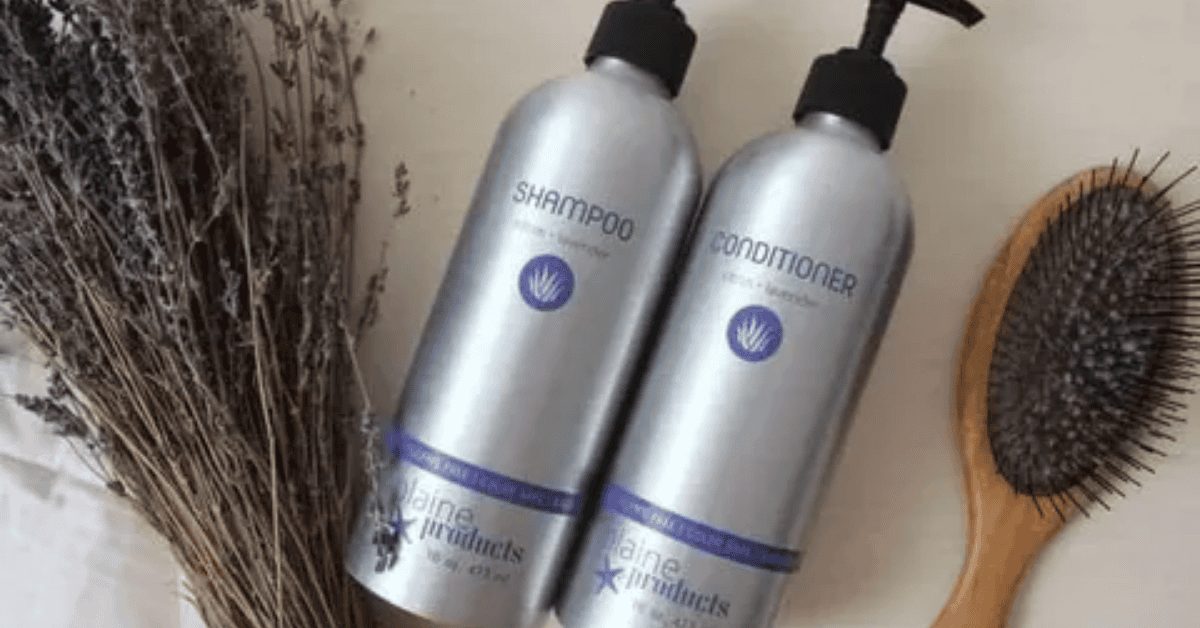
There’s no shortage of beauty products promising miracles. Every week, it feels like a new shampoo or conditioner pops up, claiming to be the solution for shiny, strong hair. Some of these launches fade into the background quickly, but others—like Routine Shampoo and Conditioner—seem to grab attention and stay in conversations for months. Whether you’re scrolling through reviews, following beauty bloggers, or chatting with friends, this set keeps coming up. And that raises a fair question: Is it really worth the hype, or just another polished campaign in the crowded hair care market?
When I first saw the product mentioned, I thought back to how beauty standards constantly shift across industries. We see similar waves in fashion, too—look at how trends like the tapestry hoodie have moved from niche to mainstream. The same goes for personal care. Hype travels fast, but staying power depends on real results.
Why Hair Care Matters More Than We Admit
It’s easy to dismiss hair care as vanity. But if we’re honest, the way our hair looks has a significant impact on confidence. Think about mornings when your hair won’t cooperate. It spills over into your mood, just like how cultural beauty standards shape how people see themselves in subtle, everyday ways.
This is why the promise of a routine hair care solution appeals so strongly. Having a trusted shampoo and conditioner set isn’t only about aesthetics—it’s about creating something consistent in your day. The same way a comforting lifestyle routine can anchor you when everything else feels messy, a dependable hair ritual grounds your morning or night.
And maybe that’s why so many people are curious about Routine Shampoo and Conditioner: it’s less about novelty and more about a desire for reliability.
Breaking Down the Brand Appeal
Let’s be blunt—there are thousands of shampoos and conditioners available. So what makes this one buzzworthy? A few things stand out in nearly every routine shampoo review I’ve come across. First, the branding emphasises its natural shampoo and conditioner alternative status. That matters because more consumers are now searching for sulfate-free shampoo and paraben-free conditioner than ever before. It’s part of a larger movement toward clean hair products and transparent ingredient lists.
The second factor is how the company emphasises simplicity. It’s not pushing 20 products or endless steps. Instead, it’s presenting itself as a streamlined choice within a world already saturated with too many routines. In that sense, it mirrors the way we see lifestyle minimalism catch on—like the rise of the underconsumption core in fashion and culture.
Routine Shampoo Review: First Impressions
I’ll admit, the first thing I notice about any shampoo is the scent. For me, if a product doesn’t smell right, I’ll struggle to stick with it, no matter how effective it is. In this case, most routine shampoo reviews describe the fragrance as clean and refreshing without being overpowering. That’s a win because too many products overload on perfume.
Texture-wise, it lathers enough to feel like it’s working, even though it avoids harsh sulfates. That balance is tricky to achieve. Some eco-friendly shampoos don’t foam at all, leaving you unsure if your hair is actually clean. Routine seems to manage the sweet spot.
When I compared notes with people who’ve tested it longer, they often said the same thing: the formula feels gentle but still effective. Much like switching to a balanced lifestyle, it doesn’t shock your system but gradually creates noticeable change.
Routine Conditioner Review: Does It Deliver?
Conditioners can make or break a routine. Even if your shampoo works, a weak conditioner can leave your hair frizzy or heavy. The routine conditioner review side of the conversation is just as glowing as the shampoo. People call it a hydrating conditioner that avoids the greasiness you sometimes get with cheaper formulas.
For those dealing with dryness, this product reportedly acts like a conditioner for dry hair—absorbing quickly, smoothing strands, and reducing tangles. Think of it like slipping into a perfectly fitted piece of fashion—similar to the comfort people find in the Rick on the Rocks dad blogger lifestyle when they discover routines that actually fit their life.
The biggest takeaway? The conditioner complements the shampoo rather than competing with it, which is rarer than you’d expect.
Natural Shampoo and Conditioner vs. Regular
Here’s where debates usually start. People wonder: Are natural shampoo and conditioner sets really better than regular ones? In truth, “better” depends on what you value. A sulfate-free shampoo might not give the same squeaky-clean feel as traditional ones, but it also avoids stripping away essential oils. Similarly, a paraben-free conditioner might not last as long on a shelf, yet it spares your scalp from unnecessary chemicals.
The movement isn’t unlike how holistic lifestyle nutrition became popular. Some argue it’s overblown; others swear it changed their health. With hair care, your results hinge on your needs. If you’re dealing with brittle strands, a formula designed to strengthen hair products might outweigh a cheaper but harsher brand.
Routine Hair Products & The Results
At the end of the day, hype only lasts if the product actually works. Routine hair products have built momentum essentially because the routine shampoo results show up in visible ways. Users report a smoother texture, reduced breakage, and, in some cases, decreased shedding. It may not be a miracle cure for everyone, but in the realm of beauty, even minor improvements can feel significant.
Some people call it the best part of their daily hair care because it doesn’t overwhelm them with choice. One bottle of shampoo, one bottle of conditioner, and you’re done. It mirrors the same satisfaction of finding a fashion staple that works across multiple occasions—you don’t have to overthink it.
Is It Really Part of the Best Hair Care Routine?
Defining the best hair care routine is tricky because no two people have identical hair. But that’s where the appeal of Routine Shampoo and Conditioner lies: it adapts easily. You can pair it with a serum, a mask, or nothing at all. It plays well with other products, rather than demanding exclusivity.
This flexibility reminds me of how beauty standards vary across cultures—there’s no single way to define attractiveness, as articles on American beauty standards or Korean beauty standards show. In the same way, an intense routine isn’t rigid. It’s adaptable.
Who Benefits the Most?
From what I’ve read and experienced, the product seems especially good for people struggling with fragile strands or dryness. If you’ve been on the hunt for a hair growth shampoo, this set could play a role by supporting scalp health. If your biggest concern is finding a plant-based conditioner that doesn’t weigh you down, it fits that category too.
It also appeals to those who want their products to align with broader values. Just as more consumers are choosing eco-friendly lifestyles, they’re looking for hair care that matches. Using an eco-friendly shampoo feels like a small but meaningful decision in daily life.
The Lifestyle Factor
One of the reasons people connect to beauty products is that they blend into a larger picture of how they want to live. Routine taps into this by marketing itself not just as bottles on a shelf, but as part of a lifestyle choice. It’s a similar strategy to what we see with fashion and wellness blogs. They sell more than a product; they sell an identity.
That’s why Routine Shampoo and Conditioner appear in conversations far beyond hair forums. It’s mentioned in beauty blogs, lifestyle reviews, and even casual travel content. It’s become shorthand for aligning with a specific type of self-care.
Pros and Cons
Like any product, it isn’t perfect. On the plus side, you’re getting a natural shampoo and conditioner that avoids harsh chemicals, doubles as part of an effective daily hair care routine, and supports healthier strands.
On the downside, it’s pricier than drugstore alternatives. Some people also wish the bottles were larger or offered more variety within the line. Then again, part of the appeal is its simplicity, so adding too many versions might dilute what makes it stand out.
In this way, it’s a bit like fashion minimalism: not everyone buys into it, but those who do tend to stay loyal.
Key Takeaways
Routine Shampoo and Conditioner simplify hair care. Instead of dozens of bottles, you get a balanced shampoo and a hydrating conditioner that fit into any routine.
Clean formulas matter. Being a sulfate-free shampoo and paraben-free conditioner means it avoids the harsh chemicals that often dry out hair.
It supports long-term health. From acting like a hair growth shampoo to a conditioner for dry hair, the set helps strengthen strands over time.
Eco-conscious choices resonate. The brand positions itself as an eco-friendly shampoo and plant-based conditioner, aligning with values beyond beauty.
Consistency is the real secret. The best results come not from hype but from making it part of your daily hair care ritual.
Final Thought
So, is Routine Shampoo and Conditioner worth the hype? Probably more than most trendy products. It’s not magic, but it’s consistent, and that’s what matters. Hair care, much like lifestyle or fashion, doesn’t need to be overcomplicated. Sometimes a few thoughtful choices—like choosing a natural shampoo and conditioner set that fits your needs—are what create the most significant impact over time.
In the same way people lean on trusted beauty standards, guides, or timeless fashion staples, hair care routines thrive on balance, not extremes. If this set helps you feel a little more put together, a little more confident, then maybe that’s worth all the hype after all.
FAQs
1. How often should I use Routine Shampoo and Conditioner?
Most people find that using it 2–3 times a week works well, though those with oilier hair may prefer using it every other day as part of their routine hair care.
2. Can it really help with hair growth?
While no shampoo is a miracle cure, the gentle formula supports scalp health, which can make a difference if you’re searching for a hair growth shampoo.
3. Is it safe for colour-treated hair?
Yes. Being a sulfate-free shampoo and paraben-free conditioner, it’s generally safe for dyed or chemically treated hair.
4. How does it compare to cheaper drugstore products?
Drugstore shampoos may clean just as well but often rely on harsher ingredients. Routine hair products lean into cleaner, more nourishing formulas.
5. Is this set better for dry or oily hair?
It seems especially effective as a conditioner for dry hair, though people with oily roots often appreciate how lightweight the shampoo feels.